Termite treatments Blue Mountains homeowners can trust start with a proper inspection, a clear explanation of the risk, and a treatment plan matched to the way the property is built. If you have found mud tubes, damaged timber, blistering paint, or active termites around the home, the safest next step is to confirm the extent of activity before choosing the treatment.
We help Blue Mountains homeowners understand which termite treatment options are suitable for local conditions, including bushland edges, subfloors, slab penetrations, retaining walls, damp areas, and older timber details. The goal is not to push a generic spray. The goal is to stop active termites, reduce the chance of further hidden damage, and leave you with a practical plan for follow-up protection.
Call 0400 822 800 or contact us online to organise advice on the right termite treatment for your property.
On this page
- When termite treatments Blue Mountains homes need are most urgent
- Termite treatments Blue Mountains properties may need
- Why Blue Mountains conditions change the right treatment
- How our termite treatment process works
- Common signs termites are already active
- What happens after termite treatment
- Related termite services
- Frequently asked questions about termite treatments Blue Mountains
- Book termite treatment advice
When termite treatments Blue Mountains homes need are most urgent
Termite treatments Blue Mountains homeowners need are usually recommended when an inspection confirms active termite movement, entry points, damaged timber, or high-risk conditions that make future attack more likely. In some homes the issue is obvious. In others the early signs are subtle and are found in subfloors, wall voids, wet areas, or around landscaping and external timbers.
The right response depends on what is happening on site. Some properties need direct treatment to active areas. Others need a broader management plan that combines elimination, monitoring, and longer-term protection. That is why we recommend starting with a local inspection instead of guessing or disturbing the termites before the extent of activity is understood.
Termite treatments Blue Mountains properties may need
There is no single treatment that suits every property. The best termite treatments Blue Mountains properties may need depend on construction, access, moisture, the likely termite entry path, and whether activity is isolated or spread through multiple areas.
Sentricon and baiting systems
Sentricon and other baiting approaches can be a strong fit when the goal is to intercept termite activity with a lower-impact system that can also support ongoing monitoring. For many homes, this is one of the more practical termite treatments Blue Mountains owners choose when environmental sensitivity, access, or long-term monitoring all matter.
Termite barrier and soil treatment work
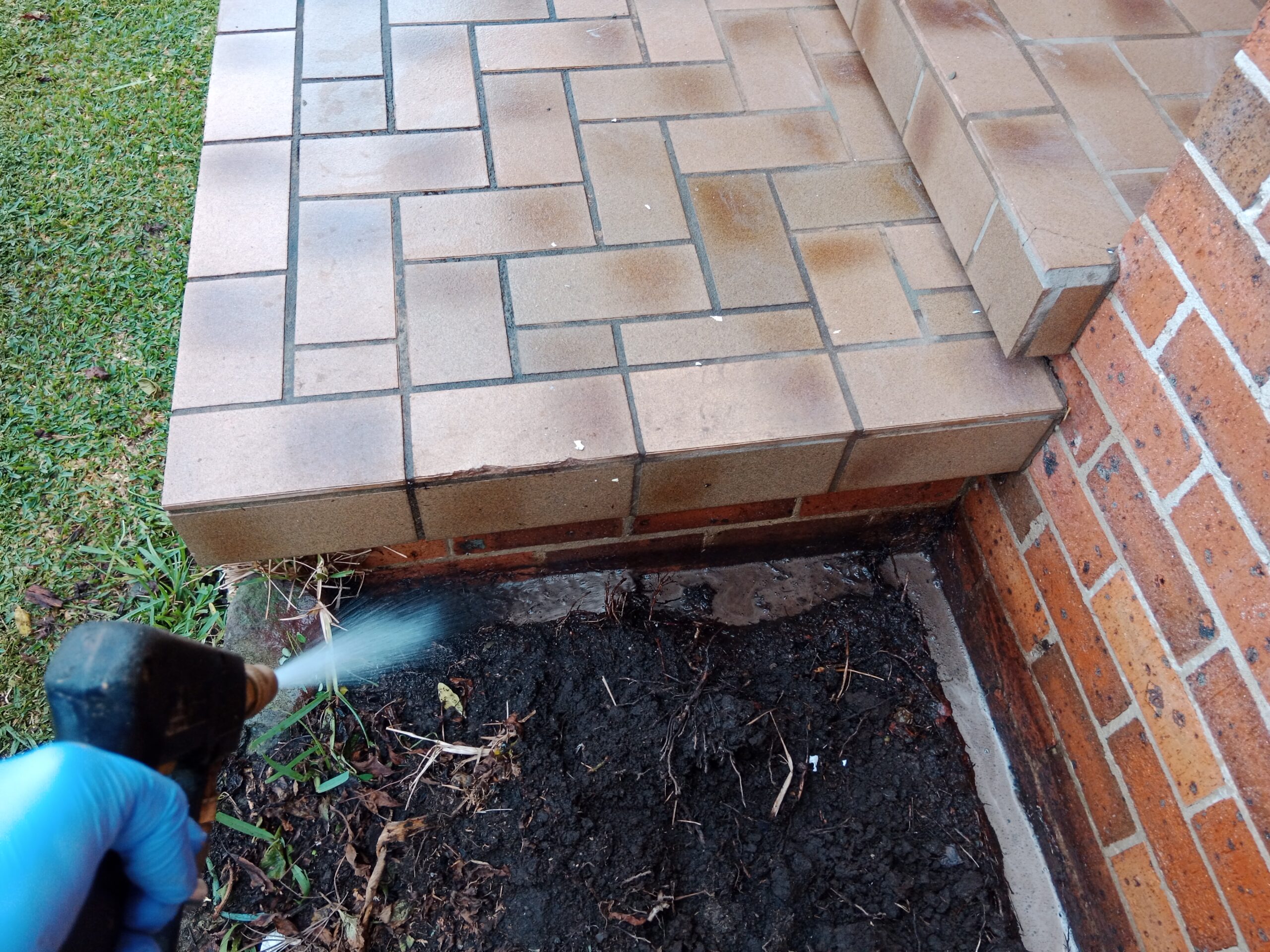
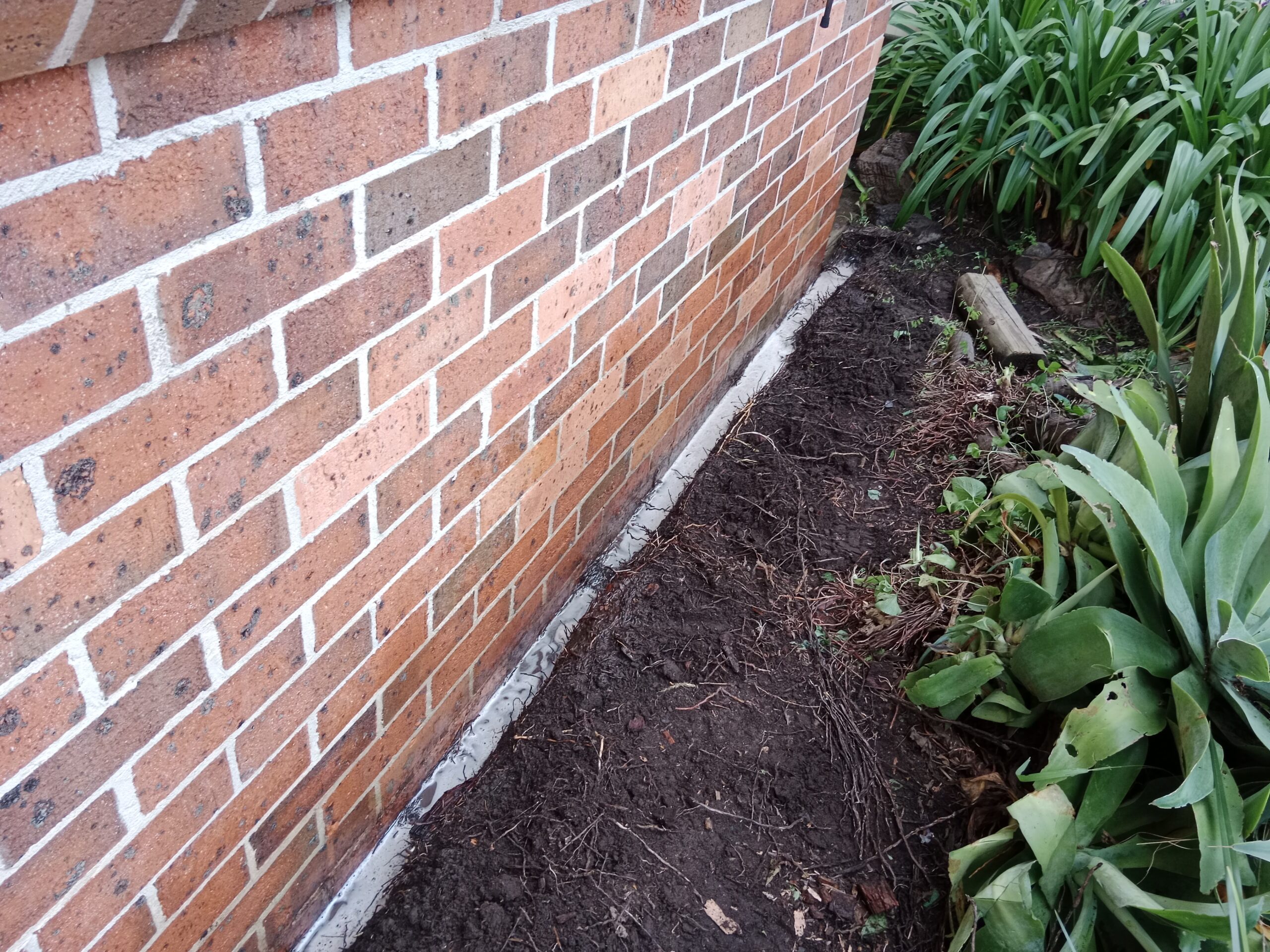
Some homes benefit from a barrier-style treatment around key entry zones, slab penetrations, piers, or external edges where termites are likely to move back into the structure. This approach is often useful when the inspection shows clear pressure points around the building footprint.
Targeted foam, dust, or direct activity treatment
Where termites are active in defined areas, targeted treatment can help reduce immediate pressure while the broader protection plan is put in place. This needs to be done carefully. Spraying retail chemicals or disturbing a visible lead can shift termite movement and make the bigger problem harder to track.
Repair planning and future risk reduction
Effective treatment also includes practical advice on drainage, ventilation, timber-to-ground contact, stored timber, and moisture issues that make the site more attractive. The best termite treatments Blue Mountains homes respond to are the ones matched to the site rather than copied from a generic checklist.
Why Blue Mountains conditions change the right treatment
Blue Mountains homes often sit on sloping blocks, bushland edges, older footings, mixed renovations, and damp subfloor zones that change how termites move through the site. A treatment that sounds right in general may not be the right fit once local access, drainage, retaining walls, paths, gardens, and construction details are taken into account.
That is why our advice is built around local inspection findings rather than a generic promise. We look at where activity is showing, how termites are likely entering, and which termite treatments Blue Mountains properties are most likely to benefit from without unnecessary work.
How our termite treatment process works
- Inspect the active area and surrounding risk points.
- Explain what has been found in plain English.
- Recommend the most suitable treatment path for the property.
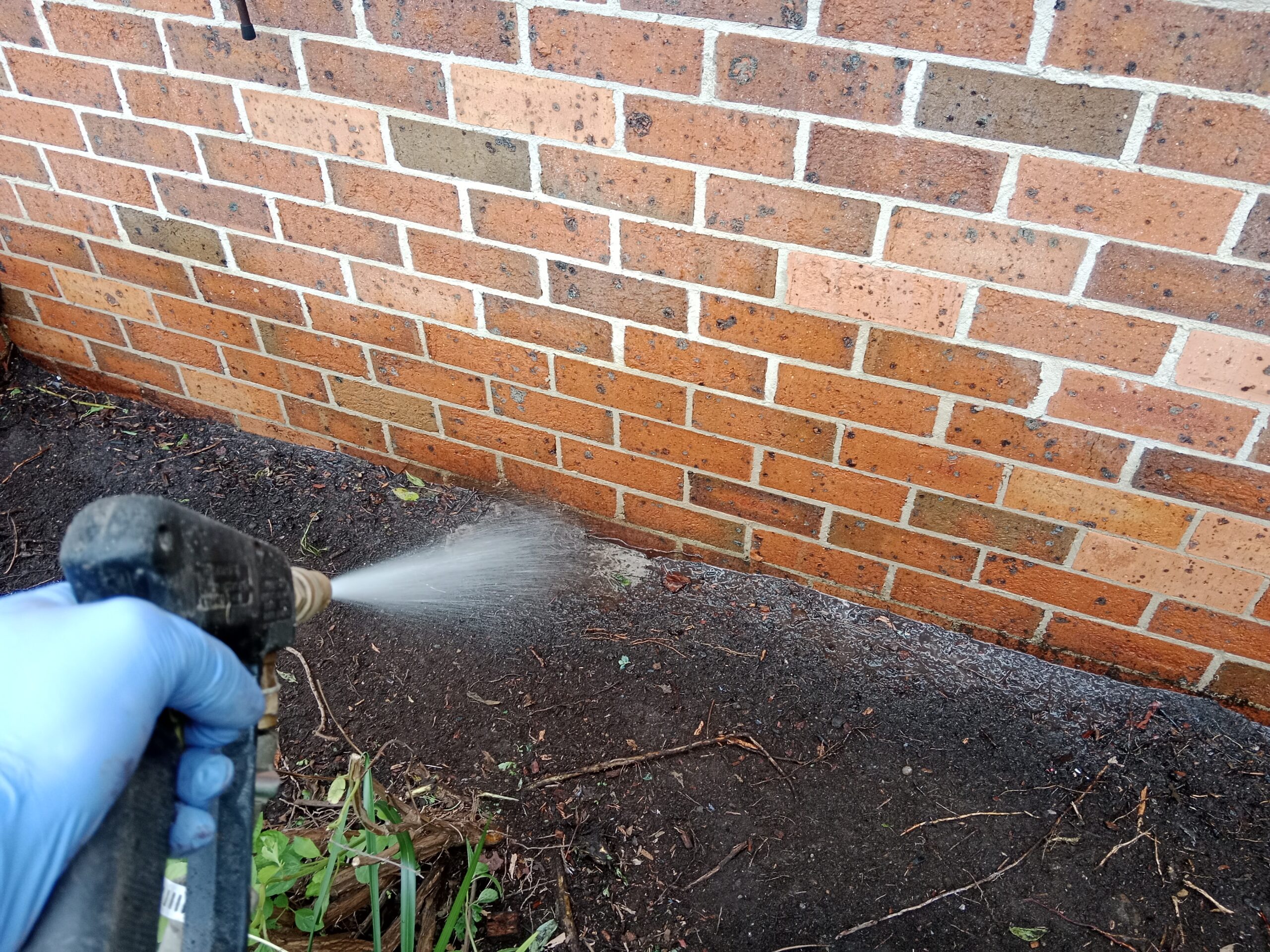
- Carry out the agreed termite treatment work or monitoring setup.
- Outline follow-up checks, maintenance, and future inspection timing.
This process keeps the treatment practical and transparent. You know what has been found, why a treatment is being recommended, and what to do next if repairs, monitoring, or reinspection are needed.
Common signs termites are already active
- mud tubes or shelter tubes on brick, piers, walls, or stumps
- soft, hollow, or blistering timber
- tight windows or doors where frames have shifted
- fine surface damage around skirtings, architraves, or external timbers
- unexplained moisture-heavy spots that need closer checking
If you notice these signs, avoid disturbing the area and arrange a termite inspection quickly. Early action gives you the best chance of limiting hidden damage and choosing the most effective treatment.
What happens after termite treatment
After treatment, we may recommend follow-up monitoring, annual termite inspections, drainage or ventilation improvements, or changes around gardens and stored materials that reduce future pressure. Good aftercare is part of what makes termite treatments Blue Mountains properties can rely on, especially in higher-risk locations.
We also make sure clients know when to recheck the site and what signs should trigger a faster review. That gives you a practical protection plan instead of a one-off visit with no clear next step.
Related termite services
If you need a broader plan, see our termite control Blue Mountains page, our termite treatments Blue Mountains service page, and our pre-purchase pest inspections advice for buyers and sellers. For practical background reading on termite behaviour, the CSIRO termite overview is also useful.
Frequently asked questions about termite treatments Blue Mountains
What are the most effective termite treatments Blue Mountains homes can use?
The most effective termite treatment depends on the construction, access, moisture conditions, and where activity is present. Baiting, targeted treatment, or barrier work can all be appropriate in the right situation.
Should I spray termites myself before calling?
No. Spraying visible termites can disrupt their movement and make the bigger activity pattern harder to read. It is safer to leave the area as found and arrange professional advice.
Do termite treatments Blue Mountains properties need always include an inspection first?
Yes, that is the safest path. An inspection helps confirm where termites are active, how they may be entering, and which treatment suits the property rather than relying on guesswork.
How often should termite protection be checked after treatment?
Most properties still benefit from routine inspections, especially in high-risk Blue Mountains locations. We will tell you the follow-up interval that makes sense for the treatment used and the conditions on site.
Book termite treatment advice
If you need termite treatments Blue Mountains homeowners can trust, we can inspect the site, explain the treatment options clearly, and recommend the safest next step for your home. Call 0400 822 800 or book online here.