Skip to content

Pest and termite control across the Blue Mountains

0400 822 800
Blue Mountains Pest and Termite Control

Flea control

Fleas keep biting or jumping around?

Tell us where you are noticing them, which rooms or outdoor areas are involved and whether pets use those spaces.

  • Indoor and outdoor areas checked
  • Pet areas considered
  • Preparation explained
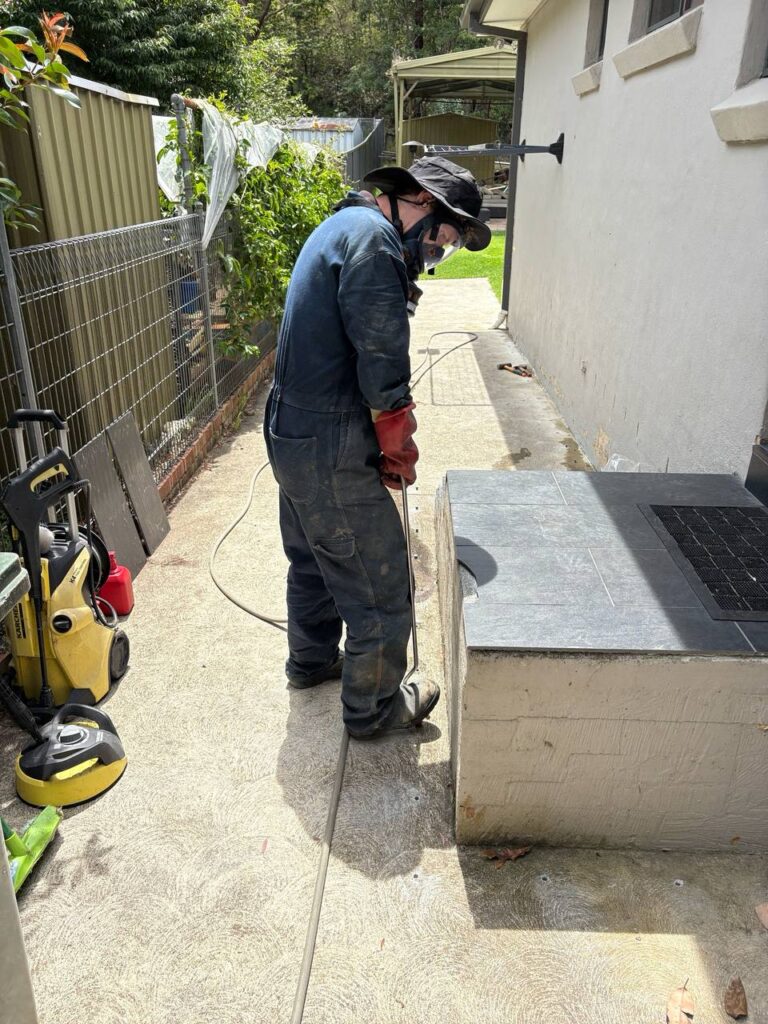
Pest control technician working outside a Blue Mountains home
On the job

What to expect

What helps us understand a flea problem

Tell us where you are being bitten or seeing fleas, which spaces pets use and anything you have already tried.

Where you notice them

Tell us whether the problem is around carpets, lounges, bedrooms, pet bedding or another area.

Pet resting areas

Show us where pets sleep or spend time inside and outside the home.

Outdoor spots

Shaded areas, kennels, under-house spaces or other animal resting spots may also need checking.

Anything already tried

Tell us about cleaning, vacuuming, sprays, pet care or previous pest control.

Before you book

Tell us where the fleas are showing up

Itchy bites or pets scratching can be a reason to check for fleas, but they do not confirm the cause by themselves. Tell us if you have seen small jumping insects and where.

List the rooms, carpets, rugs, lounges, pet bedding and outdoor resting spots involved. If there are no pets, tell us about recent occupants or animals that may have used the space.

We will explain what needs to be done before treating the areas involved. If pets are involved, ask your vet about treating them as well so the property and pet care are handled together.

Flea eggs, larvae and pupae can remain in floors, furnishings, pet resting areas and sheltered outdoor spots. New adults can therefore appear after the first treatment, which is why preparation and monitoring matter.

What to tell us

  • Where you have seen fleas or are being bitten.
  • Which rooms, carpets, furnishings or outdoor spots are involved.
  • Where pets sleep or spend time.
  • How long the problem has been going on.
  • Any cleaning, sprays, pet care or pest control already tried.

The process

How flea control works

We check the rooms, furnishings, pet areas and outdoor spots involved, then explain the preparation and treatment.

  1. 01

    Tell us where the problem is

    Let us know where you see fleas or get bitten, which areas pets use and what you have already tried.

  2. 02

    Check the main areas

    We inspect the rooms, furnishings, pet resting places and outdoor spots that may be involved.

  3. 03

    Explain the preparation

    We tell you what needs to be vacuumed, washed, moved or kept clear before treatment.

  4. 04

    Treat and watch for changes

    We carry out the treatment and explain what you may still see afterwards and whether another visit is needed.

Common questions

Flea control questions

Tell us where you are seeing fleas or being bitten and whether pets use the same spaces.

Can bites confirm that I have fleas?

No. Bites can have different causes. Small jumping insects, a clear photo and where you are seeing them can help us work out what needs checking.

What should I do about pets?

Tell us which pets use the problem areas. We treat the rooms and outdoor areas, not the pets, so ask your vet about the care or treatment your pets may need.

What do I need to do before treatment?

We will tell you which floors, furnishings, bedding, pet resting areas or outdoor spaces need vacuuming, washing, moving or access once the affected areas are clear.

Why might I still see fleas after treatment?

More fleas can emerge from the areas already involved. We will explain what to expect, what to keep doing and when to contact us again.

Will one treatment be enough?

Flea eggs and pupae can keep developing after the first treatment. The spread, pet resting areas and outdoor activity decide whether another visit is needed.

Fleas keep returning?

Ask about flea control

Tell us which rooms, pet areas or outdoor spots are involved and anything you have already tried.