Ant Pest Control Blue Mountains

Home Services Ant Pest Control Blue Mountains

Ant Pest Control Blue Mountains

Need practical ant pest control Blue Mountains property owners can rely on?

We treat recurring ant activity in homes, rentals, strata properties, cafés, offices and other commercial sites across the Blue Mountains, with targeted treatment and clear advice on what to do next.

Ant pest control Blue Mountains treatment service

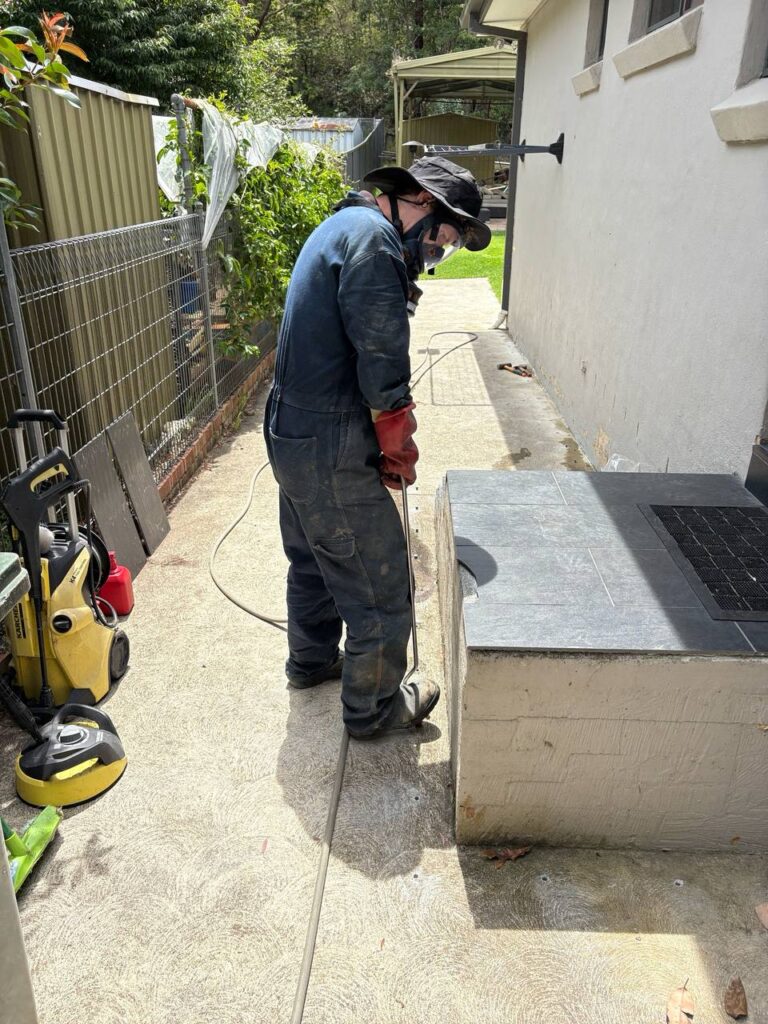
Ant pest control Blue Mountains technician checking recurring activity

Ant pest control Blue Mountains property risk areas around the home

Signs you need ant pest control Blue Mountains service

Most customers call when ants keep returning to kitchens, pantries, benchtops, bathrooms, skirting boards, outdoor entertaining areas or garden edges even after supermarket sprays have been used. Others notice steady trails to pet food, bins, paving, wall cavities, windows or roof void entry points.

A practical ant pest control Blue Mountains visit is usually worth booking when the activity is repeating rather than staying as a one off sighting. Once ants have reliable access to food, moisture or a nesting point, the problem often keeps cycling back unless the source is identified properly.

Why ants keep coming back

Ant issues often repeat because only the visible trail is treated while the nest, entry route or attraction source stays active. Food crumbs, moisture, pet bowls, garden edging, pavers, retaining walls, subfloors and structural gaps can all keep supporting the infestation.

That is why good ant pest control Blue Mountains work is not just about killing the ants you can see today. It means matching the treatment to the species behaviour, likely nesting pattern and the way the property is actually being used.

Our ant pest control Blue Mountains process

Inspect: We identify the active trails, likely nesting areas and the conditions helping the infestation continue.

Treat: We apply targeted treatment to the areas most likely to be driving the problem, including likely entry routes and harbourage zones where appropriate.

Advise: We explain what to monitor next, what practical preparation matters and how to reduce repeat activity after treatment.

That matters because ant pest control Blue Mountains service works best when treatment and practical advice stay aligned. On some properties the main issue is a kitchen trail. On others it is outdoor nesting pressure, wall cavity access, paving movement or moisture drawing ants back to the same area.

Ant pest control Blue Mountains inspection and treatment advice

Where ant infestations usually build up

Ant pressure is rarely spread evenly across a property. It usually builds in the places where access to food, moisture and shelter stays reliable. In homes that often means kitchens, pantries, laundries, bathrooms, window frames, skirting boards, wall cavities, roof void edges, gardens, retaining walls and paving joints.

In businesses, the pressure often builds around food prep zones, storage shelves, bin areas, outdoor seating, service corridors and wet areas. That is why ant pest control Blue Mountains treatment should be based on the actual activity pattern, not a generic one size fits all spray.

Ant pest control Blue Mountains for homes, rentals and businesses

Different properties need different priorities. Family homes often need help with kitchen trails, bathroom activity and outdoor nesting close to entrances. Rental properties may need the issue brought under control before a new tenancy or after recurring complaints from current occupants. Strata and commercial sites usually need a more practical plan for shared access points, presentation risk and repeated pressure zones.

That is another reason local ant pest control Blue Mountains service helps. The treatment path should fit the property type, the likely nest behaviour and the level of urgency involved. A detached home, a café and a strata common area do not all need the same treatment emphasis.

What makes ant infestations harder to control

Recurring infestations are usually harder to control when the nest location stays active, when outside pressure keeps feeding the same trail, or when the treatment only knocks down the ants that are visible on the surface. Ants can keep moving through cracks, garden edges, retaining walls, wall cavities and subfloor routes that are easy to miss without a more practical inspection.

Good ant pest control Blue Mountains service looks at those pressure points rather than just the line of ants on a bench or path. That is often the difference between a short improvement and a result that holds up better over time.

How to reduce repeat ant activity after treatment

Treatment works better when the conditions attracting ants are also reduced where possible. That can include cleaning food residue from hidden areas, keeping pet food sealed, improving bin management, reducing moisture problems, trimming contact points near entries and paying attention to the outdoor areas where trails begin.

We keep that advice practical. The goal of ant pest control Blue Mountains work is not to hand you an unrealistic checklist. It is to explain the few changes most likely to reduce recurring activity and support the treatment already applied.

Preparing for an ant pest control Blue Mountains visit

Before a visit, it helps to make note of where the ants are appearing most often and whether the activity is mainly indoors, outdoors or both. If you have noticed trails to sinks, dishwashers, pantries, pet bowls, pavers or garden beds, that context can help narrow down the likely source faster.

You usually do not need to empty the entire property before treatment. In most cases, reasonable access to the problem areas and a clear summary of what you have been seeing is enough to make the inspection more useful. Practical ant pest control Blue Mountains service should make the next step clearer, not create unnecessary prep stress.

Why local ant pest control Blue Mountains service helps

Blue Mountains properties are not all dealing with the same pressure pattern. Some homes are battling ants along bush edges, garden retaining walls and timber surrounds. Some businesses are dealing with food handling pressure, outdoor seating and repeated access around wet areas. That is why local context matters.

Practical ant pest control Blue Mountains work is about identifying the pressure points that fit the property, then matching treatment and follow up advice to those conditions. That usually gives the customer a more useful result than rotating random DIY products and hoping for the best.

Common signs you need ant pest control Blue Mountains now

There are a few signs that usually mean the issue has moved beyond a minor nuisance. Seeing steady trails every day, finding activity in more than one room, watching ants return soon after spray treatment, or noticing them around food storage, customer areas or family spaces all suggest the infestation is established enough to justify a more practical response.

Another common sign is when the problem starts changing how the property is being used. Families stop leaving food out, tenants keep raising the same complaint, or business staff start changing routines around recurring ant pressure. In those cases, faster ant pest control Blue Mountains treatment is usually the sensible call.

Why DIY ant treatment often stalls

Most DIY attempts fail because they focus on the visible trail instead of the broader activity pattern. A spray on a bench, path or doorway may give a short improvement, but if the nest, entry point or attraction source is still active the pressure often returns quickly. That is especially common when ants are moving through paving joints, retaining walls, gardens, window frames, roof void edges or wall cavities that are not obvious from one quick look.

That does not mean every DIY step is pointless. Cleaning food residue, reducing moisture, sealing obvious entry points and paying attention to where trails start can all help. But when repeat activity keeps coming back, proper ant pest control Blue Mountains service usually becomes the faster and more practical path.

Ant pest control Blue Mountains for kitchens, gardens and commercial areas

Not every infestation behaves the same way. Some are heavily centred on indoor food access, especially in kitchens, pantries and wet areas. Others are driven by outdoor nesting pressure around pavers, gardens, retaining walls, timber features and perimeter edges. Commercial sites often deal with a mix of both, where food handling zones, storage areas and outdoor seating create repeat attraction points.

That is why strong ant pest control Blue Mountains work starts with the pattern, not just the pest. When the actual movement and pressure zones are understood, treatment decisions are more targeted and the customer gets clearer expectations about what happens next.

Related pest control services

If other pests are involved too, you can also view our general pest control Blue Mountains, cockroach treatments, spider control service and commercial pest control.

For broader public information about common ant behaviour and identification, the Australian Museum ant guide is a useful reference.

When to book ant pest control Blue Mountains service

You should book when ants are turning up repeatedly indoors, when DIY products are not stopping the activity, when tenants or staff are reporting ongoing trails, or when the infestation is affecting how the property is being used.

Prompt ant pest control Blue Mountains service helps reduce active infestations, improve confidence in the space and stop a manageable issue from turning into a bigger recurring cleanup later.

What a good ant pest control Blue Mountains result looks like

A good result is not just seeing fewer ants for a day or two. It means reducing the active infestation, making the problem areas easier to manage and giving the property owner or manager a clearer understanding of what is driving the issue.

For some properties that means kitchens and bathrooms become usable again without repeated trails. For others it means fewer staff complaints, better confidence around food handling zones and a practical plan for follow up if outdoor nesting pressure has been building for a while. Good ant pest control Blue Mountains service should make the space easier to use, easier to explain and easier to keep under control.

Why customers choose local ant pest control Blue Mountains help

Customers usually want three things. They want the ants reduced properly, they want a practical explanation of why the problem is happening, and they want to know what to monitor after treatment so the issue does not keep spiralling back into the same rooms or outdoor zones. A local service approach makes that easier because the advice can stay grounded in the kind of homes, gardens and business setups common across the Blue Mountains.

That local context matters. Some properties are bordered by bush, stonework, retaining walls or heavy garden edges that keep creating ant access. Others are dealing with food handling pressure, tenant turnover or repeated entry around windows, paving and damp areas. Better ant pest control Blue Mountains service takes that real-world context seriously instead of treating every site like the same generic floor plan.

Ant pest control Blue Mountains for rentals and property managers

Rental properties often need a slightly different approach because the pest problem is also a communication problem. Tenants want a clear answer, owners want the recurring issue dealt with properly and property managers need a sensible description of what is happening at the home. Ant activity can look minor in one photo and still be an ongoing day to day frustration for the people living there.

That is why practical ant pest control Blue Mountains service for rentals should focus on the repeat activity pattern, the likely entry points and the parts of the property most affected, not just a quick surface knockdown. The more clearly the problem is identified, the easier it is for everyone involved to understand the next step and the likely reason the issue keeps returning.

What to look for after ant pest control Blue Mountains treatment

After treatment, it helps to watch whether the main trail lines reduce, whether activity shifts to a new location and whether there are any areas of the property still showing strong repeat pressure. A short period of visible movement can still happen while the treatment is doing its job, especially where there has been heavier established activity around kitchens, wet areas, gardens or external access points.

The useful question is not just whether one or two ants are still visible. It is whether the recurring pattern is breaking down. Good ant pest control Blue Mountains service should make the main problem zones calmer, easier to monitor and easier to manage rather than leaving the customer stuck in the same daily cleanup cycle.

How ant pest control Blue Mountains service protects presentation and confidence

Ant infestations do more than create a nuisance. They affect how comfortable people feel in the property. In homes, repeated trails around benchtops, bathrooms and food areas quickly become frustrating. In businesses, recurring ant activity can affect customer confidence, staff routines and presentation standards. Even when the infestation is not severe, constant visible activity can make the whole space feel harder to trust.

That is why prompt ant pest control Blue Mountains work has a practical business and household value beyond the treatment itself. It helps restore confidence in the space, reduce repeated interruptions and give the owner, tenant or operator a clearer sense that the problem is actually being brought under control.

Seasonal ant pressure in Blue Mountains properties

Ant pressure is not always the same all year. Many property owners notice stronger activity when weather conditions shift, when rain changes the moisture balance around the property or when warmer periods push ants deeper into kitchens, bathrooms, roof void edges and outdoor entertaining zones. What starts as a small trail around a window frame or paving line can become a repeating pattern once the colony has found a reliable route.

That seasonal pressure is one reason ant pest control Blue Mountains work should be based on current activity, not on assumptions from a previous visit or a generic DIY approach. The active routes, nest pressure and attraction points can change as the season changes, especially on properties with gardens, stone retaining walls, timber edging, outdoor food areas or bush-facing boundaries.

Ant pest control Blue Mountains for food businesses and customer-facing sites

Food businesses and customer-facing sites often need a faster response because visible ant activity affects presentation as well as hygiene confidence. A trail across a service counter, a repeat problem near storage shelving or activity around outdoor seating can create a poor impression even when the infestation itself is still at an early stage. Staff end up spending time cleaning, moving items and reacting to the same issue instead of solving it properly.

That is why practical ant pest control Blue Mountains service for businesses should focus on the real risk points, including preparation areas, bin zones, storage lines, wet areas, customer pathways and the outdoor edges that keep feeding the same traffic. A more targeted service path usually gives the operator a better result and a clearer explanation of where the ongoing pressure is coming from.

Common nesting and access points behind ant infestations

One of the reasons ant problems frustrate customers so much is that the nest is often not sitting in the room where the ants are visible. The visible trail may be only the last small section of a much larger movement pattern. Nests can be tucked into garden beds, under pavers, behind retaining walls, inside wall cavities, near subfloors, around roof entry points or in timber and masonry gaps that are easy to overlook during a quick DIY cleanup.

That matters because a good ant pest control Blue Mountains inspection tries to connect the visible activity to the likely harbourage pattern. The stronger that diagnosis is, the more useful the treatment becomes. Instead of only reacting to the ants currently on the surface, the service is aimed at the routes and conditions keeping the infestation active.

Why repeated ant trails should not be ignored

Some customers wait because the ants look small or because the trail comes and goes. But repeat activity is still a sign that the property is giving the colony something it wants, whether that is food, moisture, shelter or a reliable travel corridor. Once that pattern settles in, the problem can become harder to control with casual treatment because the activity stops being random and starts becoming established.

That is especially true in kitchens, bathrooms, food storage zones, outdoor entertaining areas and commercial service areas where even a modest number of ants becomes a daily irritation. Early ant pest control Blue Mountains service often prevents that smaller repeating issue from becoming a longer nuisance that customers keep trying to solve with short-term products.

How ant pest control Blue Mountains advice should stay practical

Customers do not need a lecture and they usually do not need a giant checklist that nobody will follow. They need clear advice about what the real problem seems to be, which areas matter most, what level of preparation is actually useful and what they should monitor after treatment. That practical advice is part of the service, not an optional extra.

Good ant pest control Blue Mountains work leaves people with a clearer view of the infestation, a realistic idea of what treatment can achieve and a manageable next step if the property has more than one pressure point. That is how the service becomes useful in everyday terms, not just technically correct.

Ant pest control Blue Mountains for family homes with pets and children

Family homes often need extra clarity because the pest issue is happening in the middle of daily life. Parents want the kitchen, pantry, bathroom and living areas to feel normal again. Pet owners want to know whether bowls, feeding spots or outdoor pet areas are part of the attraction pattern. Nobody wants the household routine revolving around wiping away the same trail every morning.

That is why practical ant pest control Blue Mountains service in family homes needs to focus on the areas people are actually using every day. When those repeated pressure zones are understood properly, the treatment path and follow up advice become easier to apply and far more useful for the household.

Frequently asked questions about ant pest control

Why do ants keep coming back after surface sprays?
Surface sprays can knock down visible ants without dealing with the nest, entry route or attraction source. That is why the same activity often returns.

Do you treat ant problems in homes and businesses?
Yes. We help homes, rentals, cafés, offices, retail sites and other commercial properties where recurring ant activity needs a practical treatment plan.

Do I need to know where the nest is?
No. It helps if you can show where the trails are strongest, but a proper inspection is there to work out the likely source and treatment path.

How do I book?
Call 0400 822 800 or use our contact page to arrange a booking.

Book ant pest control Blue Mountains today

If you want practical help with recurring ant activity, call 0400 822 800 and arrange a local inspection or treatment.

We focus on practical treatment, clear advice and a booking path that makes sense for homes and businesses across the Blue Mountains.

Ant issues we commonly help with

  • Recurring kitchen ant trails
  • Ant nests near paving and retaining walls
  • Ant activity in rentals and strata sites
  • Ant pressure in cafés and food businesses
  • Outdoor and indoor ant infestations

Need help fast?

Call 0400 822 800 or use our contact page to book.