Termite Treatments Blue Mountains

Home Services Termite Treatments Blue Mountains

Termite Treatments Blue Mountains

Need termite treatments in the Blue Mountains? We provide practical local help for homeowners, landlords, and property managers who need fast advice and a treatment plan that fits the property. If you have seen mud tubes, damaged timber, blistering paint, hollow sounding wood, or signs of live termite activity, it is worth acting early.

Our termite treatments Blue Mountains service is built around clear advice, prompt attendance, and recommendations that match the structure. We identify accessible signs of activity, explain the likely level of risk, and help you understand the best next step for treatment, follow up, and future protection.

Call 0400 822 800 or contact us online to organise fast local help.

When termite treatments are needed

Termite treatments are usually needed when there is confirmed termite activity, visible termite damage, or clear evidence that termites are entering a structure. In some cases, the need for treatment becomes clear after a recent inspection identifies active termites, termite workings, or a high risk entry point that should be addressed quickly.

  • Live termites found in timber, walls, flooring, roof spaces, or subfloor areas
  • Mud tubes or shelter tubes around walls, piers, stumps, garden edges, or foundations
  • Soft, damaged, or hollow sounding timber
  • Recent termite inspection results showing active termite pressure
  • Older properties with moisture issues or timber to soil contact

How our termite treatment process works

We start by checking the accessible evidence of termite activity and the areas that commonly create termite risk. We then explain the treatment options that best suit the site and the level of urgency. Depending on the property, that may include a targeted termite treatment, broader termite management advice, or a staged plan that combines treatment with monitoring and follow up inspections.

  1. Inspect the active area and nearby risk points
  2. Confirm what signs of termite activity are present
  3. Recommend the most suitable treatment path for the property
  4. Explain preparation, timing, and what happens next
  5. Guide you on monitoring and future termite inspections

Our goal is to keep the process clear and practical. We explain what we are seeing, what it means, and what the next step should be so you can act with confidence.

Why Blue Mountains homes need a local termite treatment approach

Blue Mountains properties often have conditions that make termite pressure more complicated. Bushland surrounds, damp subfloor areas, retaining walls, older timber features, and garden beds close to the structure can all increase risk. That is why termite treatments Blue Mountains homes need should be matched to the site instead of forced into a generic template.

We look at the real structure, the practical access, the visible signs, and the likely risk factors before recommending treatment. That gives you a more useful result than broad generic advice.

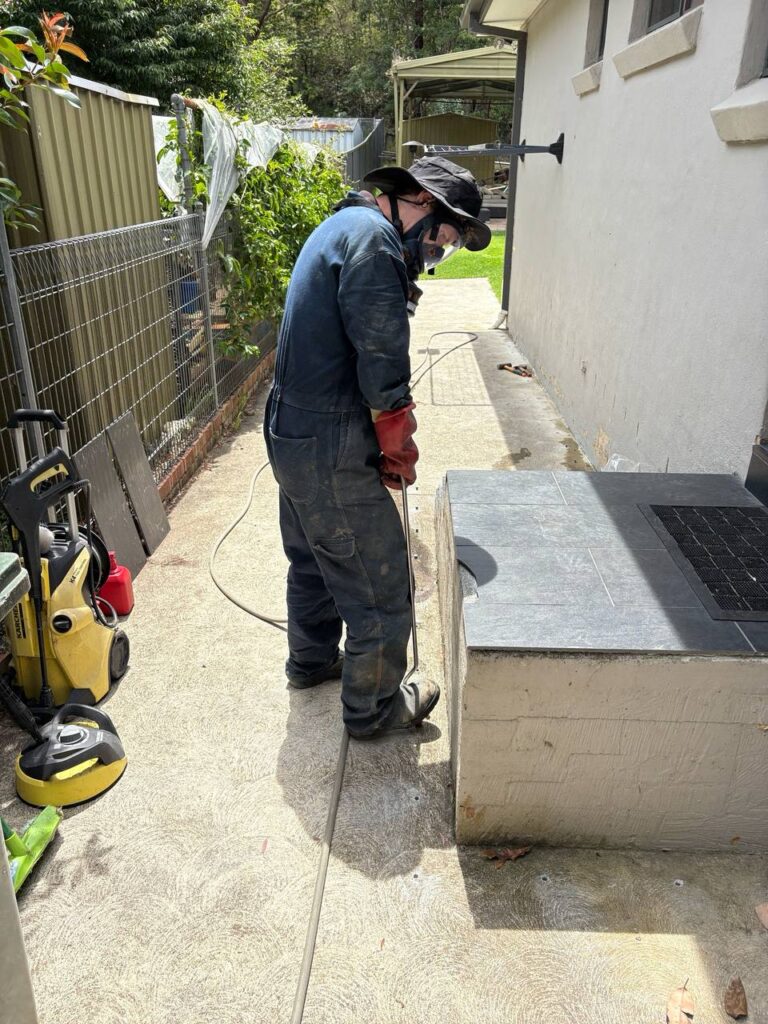
termite treatments being applied along an exterior wall

Common signs of termite activity

  • Mud tubes along brickwork, piers, walls, or retaining walls
  • Timber that sounds hollow when tapped
  • Discarded wings near windows, doors, or lights
  • Skirting boards, frames, or flooring showing unusual damage
  • Moisture problems in subfloor areas or around plumbing lines
  • Timber movement causing doors or windows to stick

If you are not sure whether the signs point to termites, the safest next move is to book a proper inspection and treatment recommendation rather than wait for the damage to become obvious.

Recent termite treatment work in the Blue Mountains

Blue Mountains treatment work often depends on access, moisture, the construction type, and how close the activity is to structural timber. That is why the right treatment path should be matched to the actual site rather than assumed from a generic template.

termite treatments being applied along a brick exterior wall in the Blue Mountainstermite treatments trench work beside a Blue Mountains hometermite treatments being applied beside tiled entry steps in the Blue Mountains

What affects the right termite treatment plan

The right termite treatment plan depends on more than just seeing visible activity. We look at where the termites are active, how easy the area is to access, whether structural timber is involved, and what surrounding conditions may still be feeding termite pressure. A subfloor issue, slab edge entry point, retaining wall problem, or bathroom moisture zone can each need a different response.

Some properties need a targeted treatment to the active area first. Others need a broader plan that combines treatment with monitoring, baiting, or follow up inspection timing. We also look at drainage, ventilation, timber to soil contact, storage around the home, and whether there is evidence of a previous termite treatment or barrier system. Those details matter because they affect how likely the activity is to return and what practical protection steps make sense after the first visit.

  • Access under the home or around the slab edge
  • Whether live termites are active in structural timber
  • Moisture, drainage, and ventilation problems
  • Evidence of previous termite treatment or barriers
  • Need for monitoring, baiting, or future inspections

That is why the safest advice is site specific advice. The best result usually comes from matching the termite treatments Blue Mountains property owners need to the real conditions on the day, not from forcing a one size fits all method onto every job.

How to prepare before termite treatment starts

Before termite treatment starts, it helps to leave the active area as undisturbed as possible. Avoid spraying visible workings, breaking open damaged timber, or flooding the area with DIY products. Disturbing termite activity too early can push it away from the visible point and make the pattern harder to read properly when treatment is being planned.

If safe to do so, clear stored items away from the treatment area, improve access to subfloor entry points or wall edges, and make a note of any moisture issues, plumbing leaks, drainage runoff, or landscaping changes nearby. Those details can affect both the treatment choice and the follow up advice. Small preparation steps can make the job smoother and help the treatment path match the real cause of termite pressure, not just the visible symptom.

Where termite treatments are commonly carried out

Termite treatments are commonly carried out in the areas where activity is found or where concealed access is most likely. In Blue Mountains homes that often includes subfloors, slab edges, wall entry points, bathroom and laundry moisture zones, retaining wall lines, garden beds against the structure, and areas where timber sits too close to soil. The visible sign is not always the full story, so the treatment area often needs to include nearby risk points as well as the spot where damage was first noticed.

  • Subfloor areas with moisture, restricted airflow, or timber contact
  • Slab edges and wall lines where concealed entry may be occurring
  • Bathrooms, laundries, and plumbing zones with elevated moisture
  • Retaining walls, sleepers, garden beds, and fence lines near the home
  • Stored timber, landscaping timbers, and other hidden cellulose sources

That matters because a treatment plan should respond to the way termites are moving through the property, not just the first visible damage point. When the treatment area is chosen properly, the result is usually clearer, more durable, and easier to monitor afterwards.

What happens after termite treatment

After treatment, the next step is usually monitoring, risk reduction, and follow up inspection timing. We explain what has been treated, what conditions still need attention, and what practical maintenance steps will help reduce future termite pressure. That way termite treatments Blue Mountains property owners pay for become part of a longer term protection plan, not just a one day response.

Termite treatments Blue Mountains property owners ask about

Customers often want to know how quickly treatment can begin, whether the activity looks current, and what should happen after treatment. The right answer depends on the building, the access, and what signs are present. We explain the situation clearly and recommend the most practical next step for the property rather than pushing a one size fits all answer.

For inspection first, visit our termite inspections page. For broader prevention and management guidance, visit our termite control Blue Mountains page.

Frequently asked questions about termite treatments Blue Mountains

Do I need an inspection before termite treatments?

In many cases, yes. A proper inspection helps confirm where activity is present, how far it may have spread, and which treatment path makes sense for the property.

Can termite damage keep getting worse if I wait?

Yes. Termites can continue working inside timber before the damage is obvious from the outside, which is why early assessment matters.

Do you service homes and investment properties?

Yes. We help homeowners, landlords, buyers, and property managers across the Blue Mountains region.

Where can I read more about checking for termites?

You can read the NSW guidance on checking for termites.

Book termite treatments in the Blue Mountains

If you need termite treatments in the Blue Mountains, contact us for fast local help, straightforward advice, and a practical next step. We can inspect the issue, explain the treatment path, and help you move quickly before the problem gets worse.

Call 0400 822 800 or request a callback here.