Skip to content

Pest and termite control across the Blue Mountains

0400 822 800
Blue Mountains Pest and Termite Control

Bee and wasp control

Bees or wasps? Keep your distance

Leave the nest or entry point alone. Tell us where it is, how high it is and whether it is close to doors, windows or busy parts of the property.

  • Stay well back
  • No close-up photo needed
  • Safety explained first
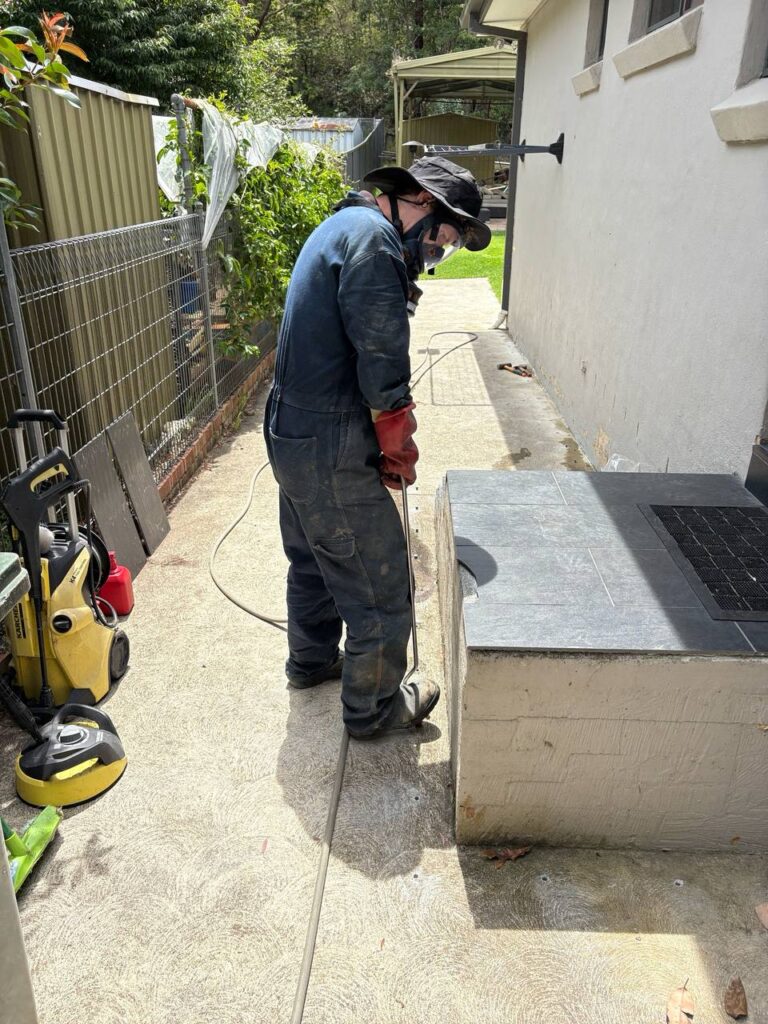
Pest control technician working outside a Blue Mountains home
On the job

What to expect

Leave it alone and keep people clear

Do not spray, block, cover or knock down the nest or entry point. Tell us what you can see without moving closer.

Stay well back

Do not approach, touch, open or disturb the area just to find out more.

Do not spray or block it

Leave the nest and any entrance alone until we have talked about what is there and where it is.

Tell us where it is

Let us know if it is around a wall, roofline, tree, shed, the ground or another clear location.

Keep people and pets clear

Keep children, pets and visitors away from that part of the home or yard for now.

Before you call

Tell us where it is from a safe distance

You do not need to work out whether they are bees or wasps. Tell us what you can see, where the insects are gathering and where they seem to be going in or out.

Let us know roughly how high it is and how close it is to doors, windows, paths, play areas or places where people sit.

Only take a photo if you can do it from well back or through a window. Do not go closer just to get a better picture.

Bee and wasp stings can cause a severe allergic reaction. Call Triple Zero (000) if someone develops breathing difficulty, swelling of the tongue or throat, wheezing, dizziness or collapse after a sting.

What to tell us

  • Where the insects are gathering or entering.
  • Roughly how high it is from the ground.
  • How close it is to doors, windows or busy parts of the property.
  • When you see them and whether there is a steady stream.
  • Anything that makes the area hard to reach safely.

Source: healthdirect

The process

How bee and wasp control starts

We start with the location and safe access, then check what is there and explain what can be done.

  1. 01

    Tell us where they are

    Describe the location, height, nearby doors or paths and how much movement you are seeing.

  2. 02

    Check the insect and location

    We look at what is there, where it is nesting or entering and what can be reached safely.

  3. 03

    Explain what can be done

    We explain what can be done, any limits around safe access and the work before anything goes ahead.

  4. 04

    Tell you what to expect

    After the agreed work, we explain what to watch for and whether the area needs to stay clear.

Common questions

Bee and wasp control questions

Stay well back and leave the area alone. You do not need to identify the insect before calling.

Do I need to know if they are bees or wasps?

No. Tell us what you can see from a distance, where they are gathering and where they seem to be going in or out.

Should I spray, block or cover the nest?

No. Leave the nest or entry point alone and keep people and pets away from that part of the property.

Can I take a photo?

Only from well back or through a window. Do not approach or disturb the area just to get a closer picture.

What if it is inside a wall, roof or high off the ground?

Tell us that when you call. The location, height and safe access affect what can be checked and what can be done.

Are bees and wasps handled the same way?

No. We first check the insect, its location and whether the area can be reached safely, then explain what can be done. We do not identify it from an unclear photo.

Stay well back

Call and tell us where it is

Leave the area alone and describe the location, height and nearby doors, windows or paths.