Silverfish Pest Control Blue Mountains
Need practical silverfish pest control Blue Mountains homes, rentals, offices and storage areas can organise before paper damage, pantry contamination or constant late-night sightings become a repeating problem?
Silverfish usually stay hidden until the infestation has already settled into damp, dark and sheltered parts of the property. Customers often notice them in bathrooms, laundries, wardrobes, bookshelves, kitchens or storage boxes, then realise they are also damaging paper goods, fabrics, glue-based materials and pantry packaging. That is where focused silverfish pest control Blue Mountains service becomes useful.
At Pest Control Blue Mountains, we look at the moisture conditions, harbourage points and material sources helping the infestation persist. Good silverfish pest control Blue Mountains work is not just about the insects you happen to see on the floor or wall. It is about reducing the hiding zones and environmental conditions that let them keep breeding quietly in the background.
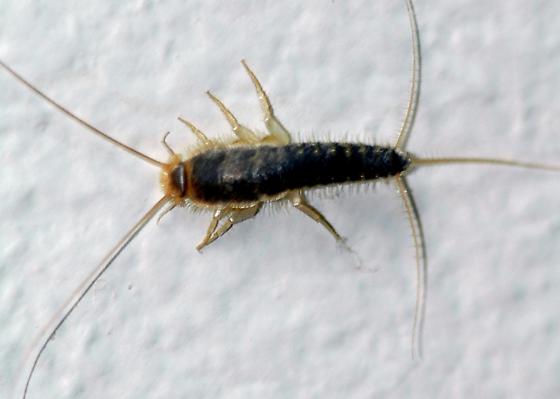
Signs you may need silverfish pest control Blue Mountains service
Most customers first notice silverfish darting across the bathroom floor, appearing in cupboards at night or turning up in laundry spaces, wardrobes and book storage areas. Others only realise the issue is active when they see irregular damage to paper, cardboard, books, wallpaper, stored linen or pantry packaging.
Reliable silverfish pest control Blue Mountains service matters when the issue is no longer just an occasional sighting. If silverfish are appearing regularly, showing up in multiple rooms or affecting stored belongings, the infestation is often more established than it first seems.
Another common trigger for silverfish pest control Blue Mountains bookings is frustration with damp rooms that never seem fully resolved. Silverfish thrive where there is moisture, shelter and food material, so bathrooms, laundries, under-sink cupboards, older storage boxes and poorly ventilated rooms often become long-term harbourage zones.
That is why practical silverfish pest control Blue Mountains treatment looks at the whole environmental pattern rather than chasing a few visible insects. If the humidity, clutter or cellulose-based food sources remain untouched, the activity often returns quietly.
Why silverfish infestations are hard to clear
Silverfish are difficult because they prefer dark, hidden areas and can survive on a surprisingly wide range of materials. Paper, glue, starches, fabrics, dust, book bindings and stored packaging can all help sustain an infestation. They are also more active at night, which means many properties underestimate how much movement is happening when the rooms are quiet.
Good silverfish pest control Blue Mountains service looks beyond the obvious sighting locations. The real issue may involve moisture-prone rooms, cardboard storage, wardrobe corners, ceiling spaces, old books, linen cupboards or underused cabinets where they can stay protected for long periods.
That is one reason DIY responses often feel incomplete. People spray one visible insect or place a product in one room, but the broader harbourage pattern remains. Effective silverfish pest control Blue Mountains work should identify those underlying pressure points and reduce the conditions helping the infestation stay active.

Our silverfish pest control Blue Mountains process
Inspect: We inspect the areas where silverfish activity is strongest, including damp rooms, cupboards, storage zones, wardrobes, bathrooms, laundries and paper-rich harbourage areas.
Treat: We apply a practical silverfish pest control Blue Mountains treatment plan designed to reduce live activity and target the protected spaces where silverfish are likely to remain active.
Advise: We explain the moisture-reduction, ventilation, storage and cleanup steps that help limit future silverfish pressure.
That matters because the best silverfish pest control Blue Mountains results usually come from combining treatment with environmental changes. If dampness, cluttered storage or vulnerable paper and fabric conditions remain unchecked, the property can keep attracting low-level silverfish activity even after treatment improves things.
We keep the advice straightforward. You should know where the silverfish are likely hiding, what conditions are helping them and which practical changes are worth making first.
Where silverfish usually hide around a property
Silverfish often build up in bathrooms, laundries, linen cupboards, wardrobes, bookshelves, archived paperwork, cardboard storage, kitchen cupboards, roof voids and under-sink cabinets. They prefer calm, sheltered areas with moisture and food material, which is why old boxes, stacked paper and poorly ventilated cupboards can become persistent problem zones.
In homes, the infestation often centres on damp internal rooms and stored belongings. In offices or commercial storage spaces, silverfish may be linked to archived documents, packaging materials or underused cupboards. Good silverfish pest control Blue Mountains service should reflect that wider spread instead of treating silverfish as only a bathroom pest.
That is also why silverfish pest control Blue Mountains work may include practical advice on decluttering, sealing, ventilation and safer long-term storage. Treatment helps reduce the current activity, but lowering the habitat quality usually matters just as much for lasting improvement.
If broader indoor pest activity is also present, our residential pest control and general pest control Blue Mountains pages explain related support.

How to reduce future silverfish pressure
Long-term prevention usually depends on lowering humidity, improving ventilation, reducing clutter, protecting paper and fabric items and dealing with moisture problems promptly. Good silverfish pest control Blue Mountains service should leave you with a clear next-step plan rather than general guesses.
That may include running exhaust fans more consistently, fixing leaks, drying damp cupboards, reducing cardboard storage, using sealed containers for vulnerable items and avoiding long-term buildup of paper and fabric materials in moisture-prone rooms.
For some properties, the biggest gain comes from simple environmental changes after treatment. Once the rooms are drier, cleaner and less cluttered, silverfish have fewer places to hide and fewer materials to feed on. That makes silverfish pest control Blue Mountains work more durable and more useful.
The practical benefit is straightforward. The late-night sightings reduce, stored belongings feel better protected and the home or workplace becomes easier to manage without constant uncertainty about what is happening in the cupboards and corners.
For general pest and environmental health information, NSW Health pest guidance can also help with broader hygiene and moisture-related questions.
Why professional silverfish pest control Blue Mountains treatment beats piecemeal DIY
Many silverfish problems linger because the visible insects are only a small part of the actual infestation. People see one or two on a bathroom tile, spray that spot and assume the issue is handled. Then another appears in a wardrobe, then another near stored paperwork, and the property starts feeling like the problem could be anywhere.
Professional silverfish pest control Blue Mountains treatment is more useful because it considers the whole property layout. Moisture, storage style, underused cupboards, paper-rich areas and hidden harbourage all matter. If those patterns are not addressed, the infestation often remains active behind the scenes.
That is also why customers often say they wish they had booked silverfish pest control Blue Mountains help earlier. Once the insects start showing up in several rooms or damaging stored items, the stress rises quickly. A clearer treatment and prevention plan usually feels much easier than endless guesswork.
Our role is to keep the answer practical. Good silverfish pest control Blue Mountains service means the treatment is targeted, the environmental advice is realistic and the property owner understands what changes will actually improve the result.
When to act quickly on silverfish pest control
If silverfish are appearing regularly, showing up in more than one room, or starting to affect books, paperwork, linen, pantry goods or stored belongings, it is worth acting early. A low-level infestation can sit quietly for a long time and then become much harder to ignore once the sightings increase.
Fast silverfish pest control Blue Mountains action is also sensible before property inspections, tenant handovers, office cleanups or major storage reorganisations. Early action usually saves more frustration than waiting until the infestation is clearly widespread.
Another reason to move early is that silverfish often point to moisture issues that may be affecting the property more broadly. Practical silverfish pest control Blue Mountains treatment helps reduce the insects while also identifying the environmental conditions that need attention.

How silverfish infestations affect comfort, storage and confidence indoors
Silverfish are not usually the most dramatic pest, but they create a constant low-level discomfort. People stop trusting cupboards, stored clothing, paperwork boxes and quiet corners of the home. Night-time sightings become a regular irritation. Damage to books, cardboard or fabrics creates the feeling that the infestation is spreading in places you are not checking often enough.
That is why solid silverfish pest control Blue Mountains service has value beyond the immediate treatment. It helps restore confidence in the rooms and storage areas people use every day. Instead of feeling as though the infestation is quietly winning in the background, the property gets a more structured response.
Where the issue overlaps with broader hygiene or pest pressure, that structured approach becomes even more useful. The home or workplace gets clearer treatment priorities, better environmental advice and a more realistic chance of stopping the problem from lingering.
What to expect after a silverfish pest control visit
Most customers want to know whether silverfish activity will stop immediately or taper off over time. The practical answer is that good treatment should reduce visible movement, but the full result often depends on how much harbourage, moisture and vulnerable storage material is still present around the property. Silverfish are secretive insects, so the real improvement is usually measured not just by what you see on day one, but by how much the quiet background activity drops over the following period.
That is why realistic silverfish pest control Blue Mountains advice matters. If the room is still damp, cardboard is still stacked against walls, archived papers are left exposed and ventilation has not improved, the property may keep offering the same shelter conditions. Treatment can reset the pressure, but the site usually performs best when the environmental issues are tightened up soon after.
Customers often feel most confident when they know exactly what to monitor next. That may include checking bathroom corners at night, watching wardrobe floors, looking for fresh damage in paper storage, reviewing under-sink cupboards and noticing whether damp rooms are drying more effectively. A clearer follow-up plan helps the property feel manageable again instead of uncertain.
Storage, paperwork and fabric areas that deserve extra attention
Silverfish infestations often become frustrating because the insects spread into spaces people do not inspect closely every day. Old tax files, archived paperwork, stacked magazines, cardboard moving boxes, spare linen cupboards, wardrobes, book collections and stored craft materials can all become part of the harbourage pattern. When those materials sit in still, humid air for long periods, the insects get exactly the calm protected environment they prefer.
For that reason, part of effective silverfish control is deciding which stored items need better protection first. Important documents may need sealed containers. Books may need drier shelving and better airflow. Linen cupboards may need decluttering and moisture checks. Cardboard boxes sitting on the floor may need to be lifted, reduced or replaced with sealed plastic storage where appropriate. These are practical changes, but they often make a meaningful difference because they lower the number of quiet refuges available to the infestation.
In rentals, office storerooms and family homes alike, the best outcome usually comes from pairing treatment with a quick review of what is being stored, where it is being stored and whether dampness has been allowed to become normal. When that review happens early, silverfish are less likely to keep rebuilding pressure in the same forgotten corners.
Why early silverfish action usually protects more than just comfort
People sometimes delay action because silverfish seem minor compared with louder pest problems. But once they are moving through paperwork, books, boxes, pantry areas and wardrobes, the issue starts affecting how people use the property. Rooms feel less trustworthy, stored belongings feel less protected and every late-night sighting reinforces the sense that the insects are active somewhere out of view.
Early action is valuable because it protects both the condition of stored items and the day-to-day confidence people have in the property. A targeted response is usually easier, cleaner and more commercially useful before the infestation has had months to settle deeper into multiple rooms. That is especially true where moisture, ventilation or underused storage spaces are already making the site easier for silverfish to exploit.
Good silverfish pest control Blue Mountains work aims to reduce that uncertainty. The goal is not only to lower the visible sightings, but to make the environment less supportive of repeat activity so the home, rental or workplace is easier to trust again.
Silverfish pest control Blue Mountains FAQs
Why do silverfish keep turning up in bathrooms and laundries?
Because silverfish prefer dark, damp and sheltered areas. Bathrooms, laundries and under-sink cupboards often give them the moisture and hiding conditions they want.
Can silverfish damage books, paper and clothing?
Yes. Silverfish can feed on paper, glue, starches and some fabrics, which is why stored books, boxes, wallpapers and linens can be affected over time.
Do silverfish mean my home is dirty?
Not necessarily. They are usually more strongly linked to moisture, shelter and suitable food materials than to general dirt alone. Even tidy homes can have silverfish pressure if the conditions suit them.
Can I just spray the silverfish I see?
That rarely solves the whole problem. Good silverfish pest control Blue Mountains service deals with the wider harbourage pattern and the moisture or storage conditions helping them stay active.
When should I book silverfish pest control?
As soon as sightings become regular, multiple rooms are involved, or stored items are starting to show damage. Early treatment is usually easier than letting the infestation settle in further.
Need a local team that can reduce the current activity and help make the property less attractive to silverfish long term? Contact Pest Control Blue Mountains for silverfish pest control Blue Mountains service and clear practical advice.
Need Silverfish Pest Control In The Blue Mountains?
Request a Call Back
Call 0400 822 800
Fast help for bathrooms, laundries, storage areas, rentals and repeat silverfish sightings.
Helpful next steps
Reduce humidity, improve ventilation, store paper items in sealed containers and check damp cupboards or leaks early.