Termite activity around Springwood homes can start in places that look ordinary from the outside: garden beds, landscape timbers, wall cavities, moisture points, and areas where timber or soil sits close to the structure.
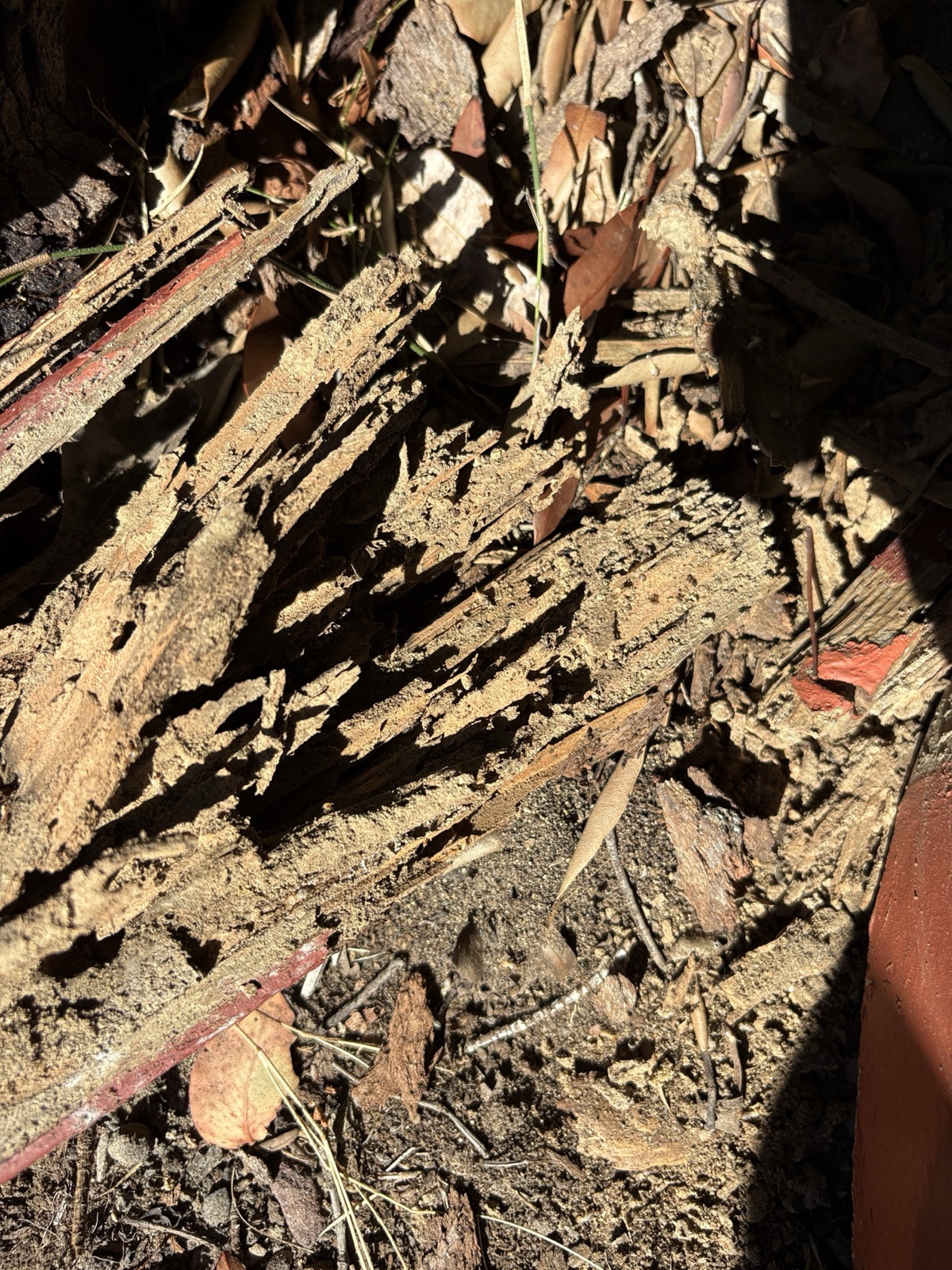
On a recent Springwood termite inspection and treatment follow-up, live subterranean termites were recorded in landscape timbers and ornamental timber. Termite workings and damage were also recorded in the laundry wall cavity. The species recorded was Schedorhinotermes spp., and the damage severity was recorded as moderate to extensive.
The site was marked as high risk. No termite nest was located in the recorded inspection notes, so the correct public takeaway is not that the termite issue was fully eliminated. The safer and more accurate takeaway is that active termite areas were identified, treatment work was completed, and ongoing termite management was strongly recommended.
That distinction matters. Termite management is not just about treating the one area where live termites are visible. A proper inspection also looks for the conditions that make a property easier for termites to enter, shelter, or continue using.
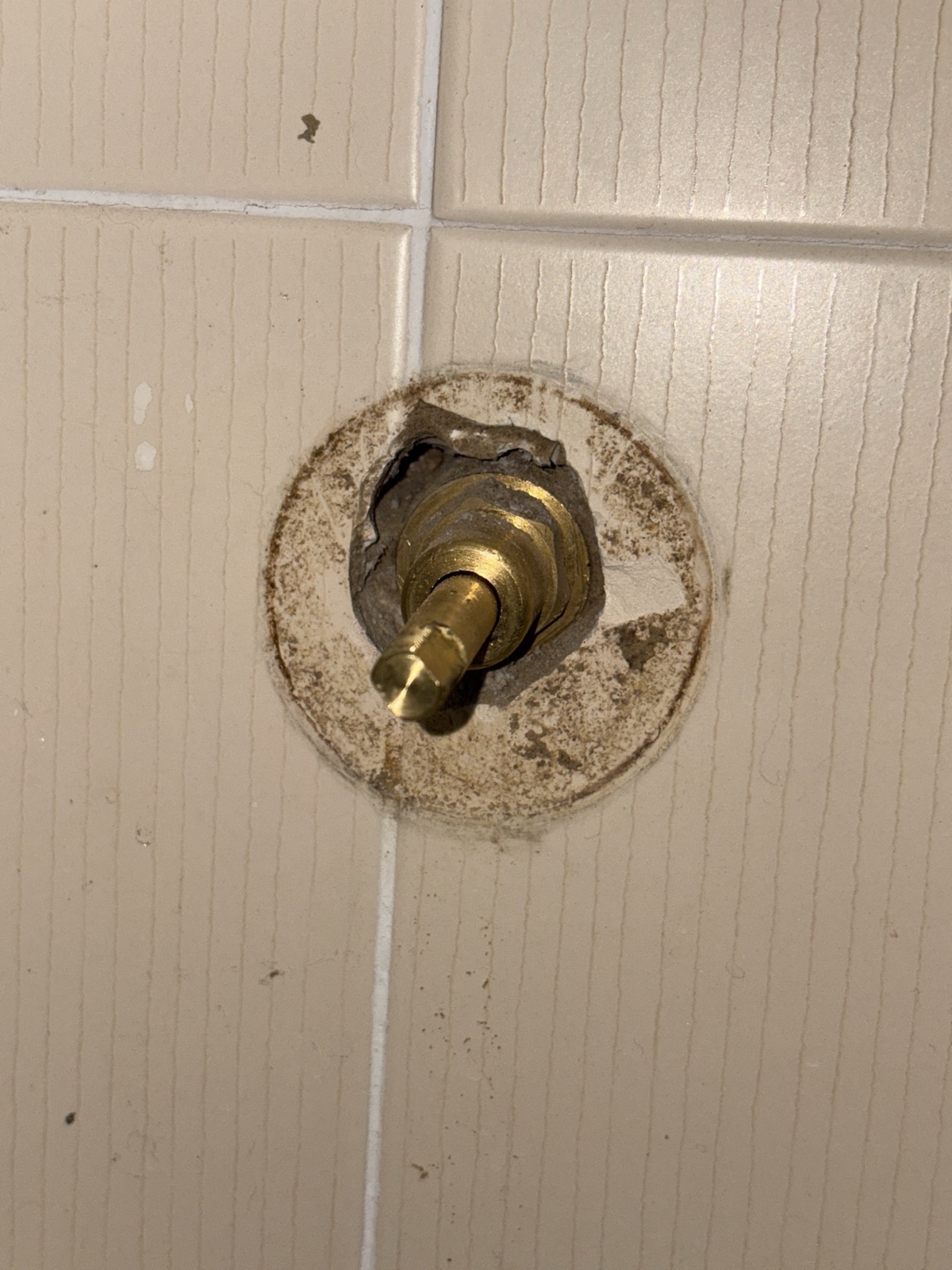
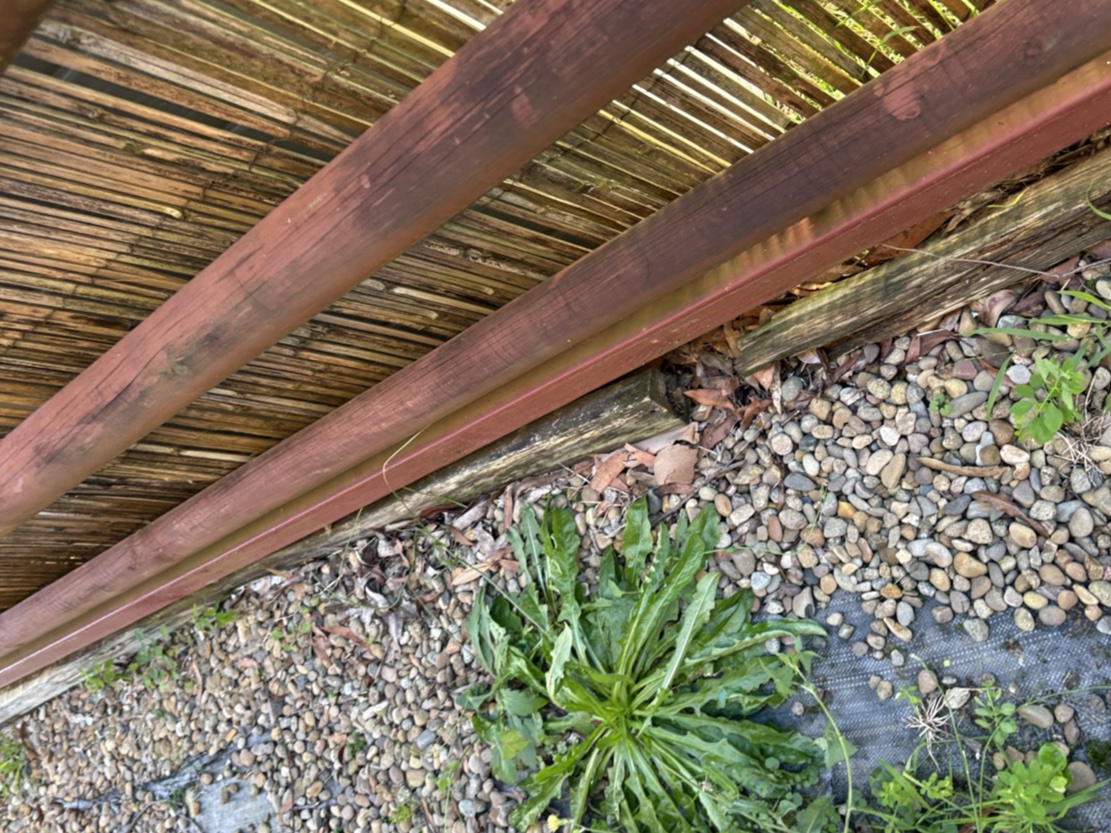
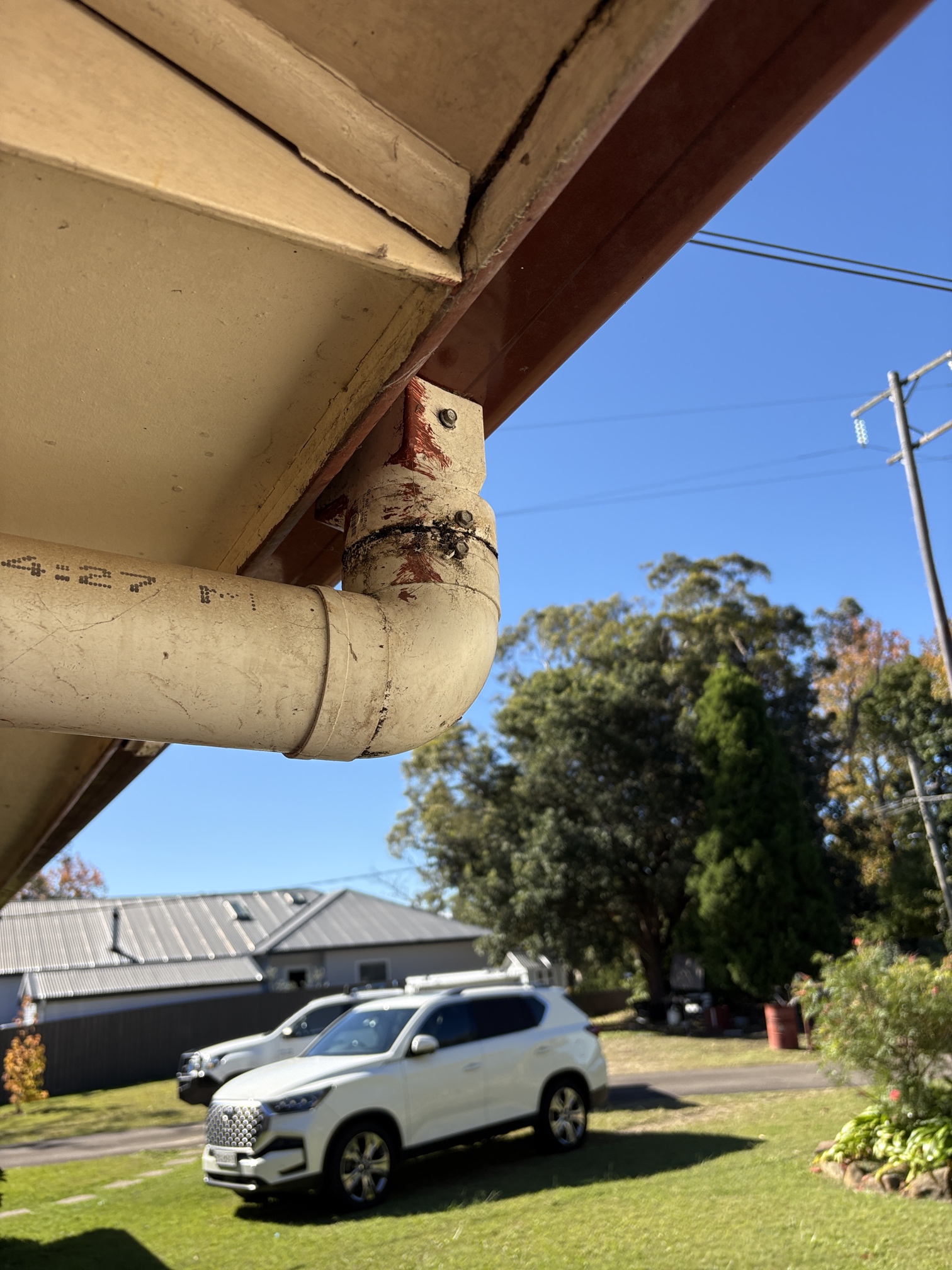
In this case, several conducive conditions were recorded around the property. These included gardens and vegetation against walls, landscape timbers throughout the yard, moisture or water discharge against the structure, air-conditioning and hot-water runoff against the structure, downpipes not connected to stormwater, obstructed slab edges or weep holes in some areas, and leaf litter near the house.
Each of these conditions can make termite risk harder to manage. Landscape timbers and leaf litter can provide food and shelter. Moisture close to the structure can make the area more attractive to subterranean termites. Covered slab edges or weep holes can make inspection harder and reduce visibility around important parts of the building.
Treatment work included drilling and treating the front trees, treating the live termite activity in the landscape timbers, and foaming the laundry wall cavity. A treated zone was recommended as part of the termite management approach, and follow-up inspections were also recommended.
Prior baiting or monitoring stations were recorded in the yard, but the source notes also recorded that a termite management system was strongly recommended because previous treatments may no longer be effective. That is a common reason termite inspections need to consider the full site history, not just the visible damage on the day.
For Springwood and Blue Mountains homeowners, this job is a practical reminder that termite risk is often a property-wide issue. The visible damage is important, but the surrounding moisture, timber, garden layout, slab edge visibility, wall cavities, and previous termite management history all help shape the next best step.
If live termites or termite damage are found, the safest approach is to avoid disturbing the activity, arrange a professional inspection, document the risk conditions, and set a clear treatment and follow-up plan.
Book a Termite Inspection in Springwood
If you are in Springwood or the Blue Mountains and have found damaged timber, mudding, moisture issues, or signs of termite activity, book a termite inspection before disturbing the area. Erase Pest Control can inspect the property, identify the risk points, and recommend the right termite management steps for the site.