Termites Blue Mountains
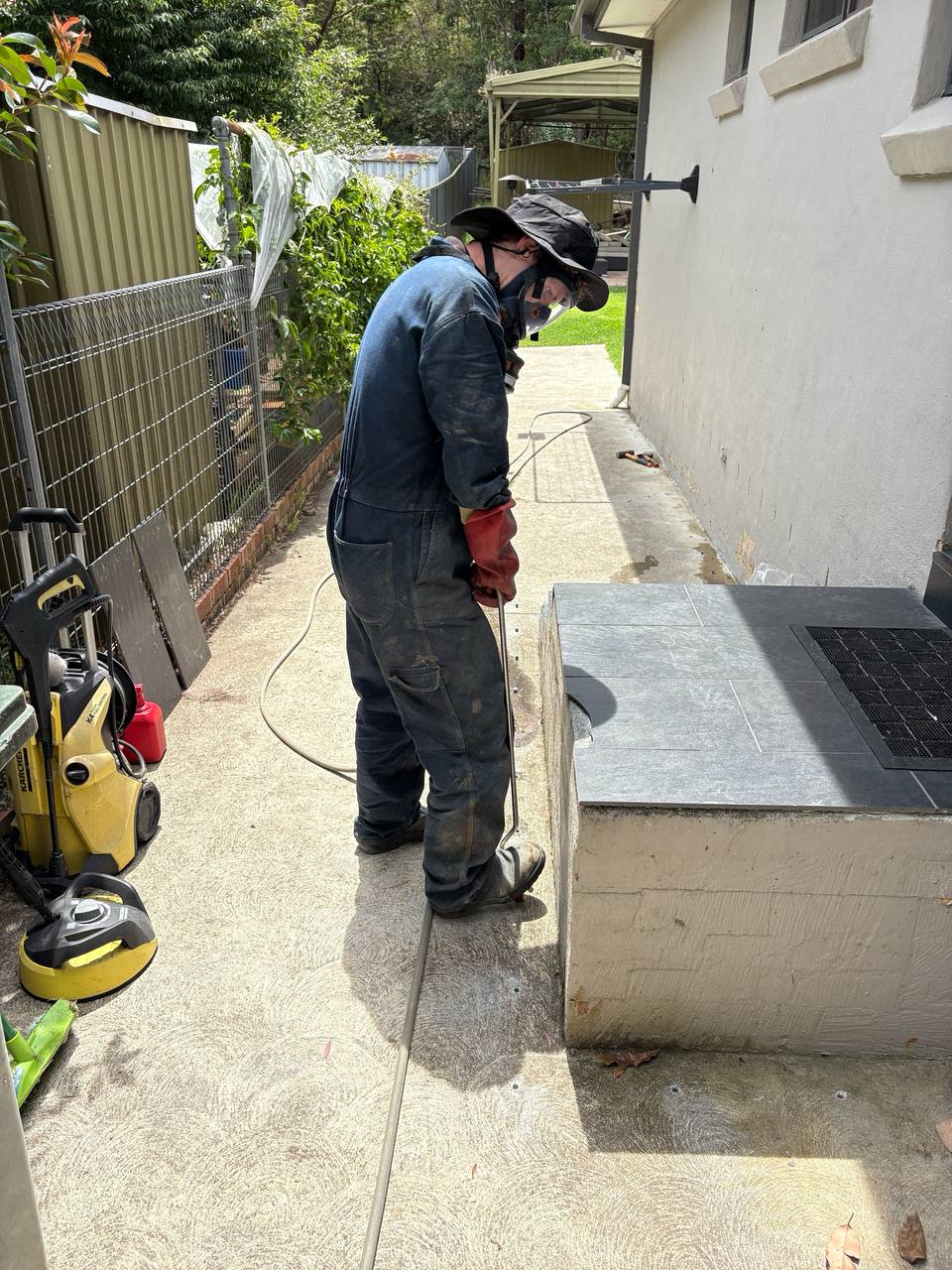
Concerned about termites in the Blue Mountains? This page provides information for homeowners and property managers regarding termite identification, local risks, and recommended actions. If you have found mud tubes, damaged timber, hollow sounding wood, or unexplained changes around skirting boards, subfloors, or frames, it is worth taking seriously.
Termites in the Blue Mountains often remain undetected for extended periods. They often work inside timber or behind surfaces before the damage is obvious from the outside. Early detection, expert advice, and appropriate treatment are crucial.
Call 0400 822 800 or contact us online if you want practical local help.
On this page
- Signs you may have termites
- Why termite pressure is a serious local issue
- Why early termite advice matters
- What to do if you find warning signs
- Recent termite work in the Blue Mountains
- How to reduce termite risk between inspections
- Where termite activity is often found around Blue Mountains homes
- Do you need an inspection or termite treatment?
- Frequently asked questions about termite issues in the Blue Mountains
- Book local termite help
What to look for if you suspect termites
- Mud tubes or shelter tubes along brickwork, foundations, piers, or retaining walls
- Timber that sounds hollow when tapped
- Blistering paint, damaged trims, or soft skirting boards
- Discarded wings near windows, doors, or lights
- Moisture issues in subfloor areas or around plumbing lines
- Visible movement or damage in door frames, flooring, or wall linings
Not every timber problem is caused by termites, but these are common warning signs that should be checked properly.
Why termite pressure is a serious local issue
Blue Mountains homes often have the kind of conditions termite activity likes, including bushland surrounds, older timber features, damp subfloors, retained moisture, garden beds close to the structure, and hard to access under-house spaces. These conditions can increase termite pressure and make early detection more important.
Local infestations are often linked to moisture, concealed access, or timber to soil contact. The sooner the issue is checked, the easier it is to understand the level of risk and the right next step.
Why early termite advice matters
Hidden termite activity often stays concealed in damp subfloors, retaining walls, stored timber, and entry points that are easy to miss. Waiting too long can turn a small warning sign into a much larger repair issue, especially in older homes with moisture or limited access underneath.
If you are unsure whether the signs are current or old, a prompt inspection gives you a clearer answer. That helps you avoid guesswork, avoid disturbing the area unnecessarily, and move onto the right treatment or monitoring plan faster.
What to do if you find warning signs
- Do not disturb the area more than necessary
- Book a proper inspection so the activity can be checked clearly
- Get practical advice on the likely treatment path and urgency
- Reduce obvious moisture or access issues where safe to do so
- Plan follow up monitoring and future termite checks
If you need an inspection first, visit our termite inspections page. If termite activity has already been confirmed, visit our termite treatments page or our termite control Blue Mountains page.
Recent termite work in the Blue Mountains
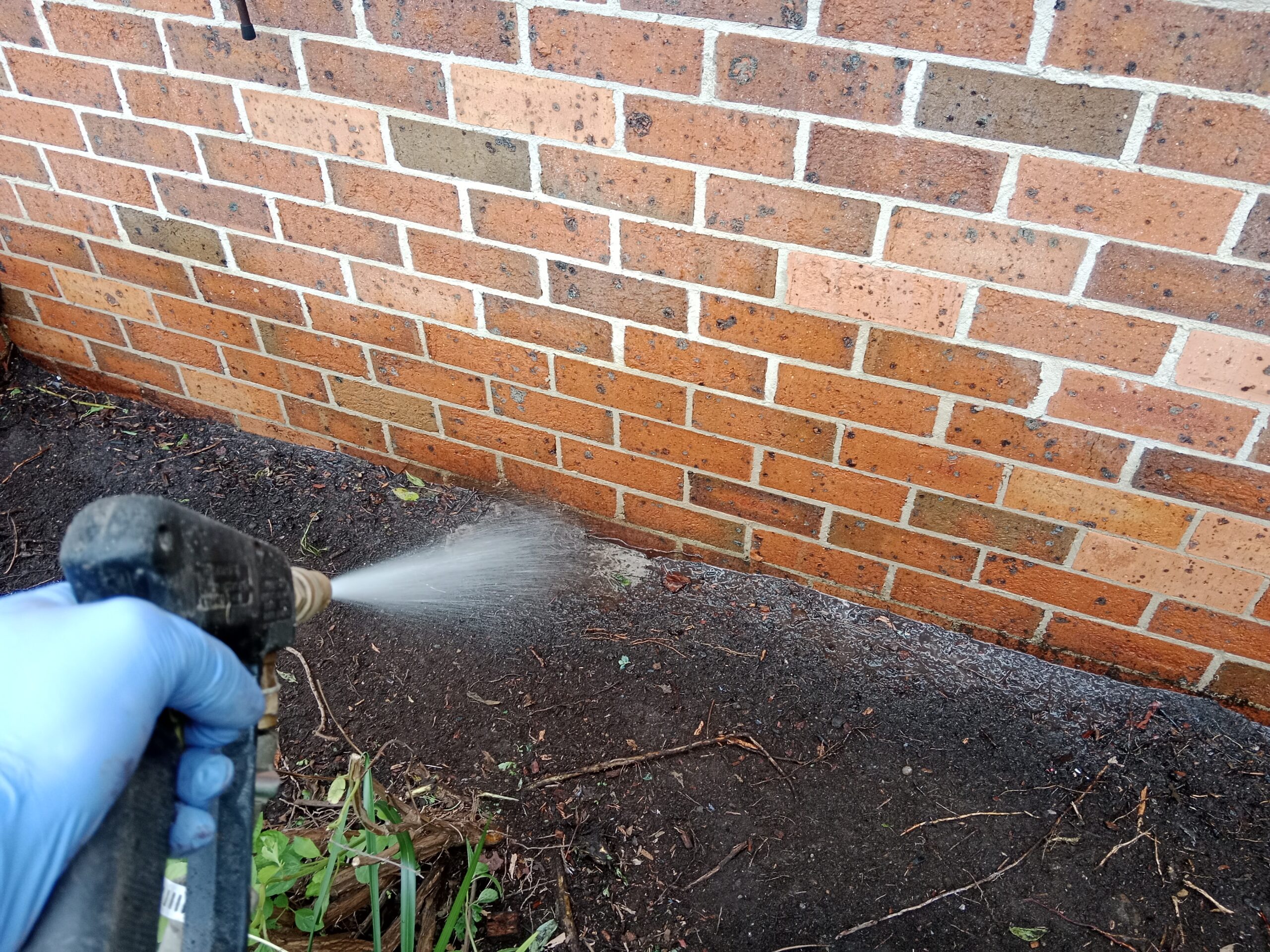
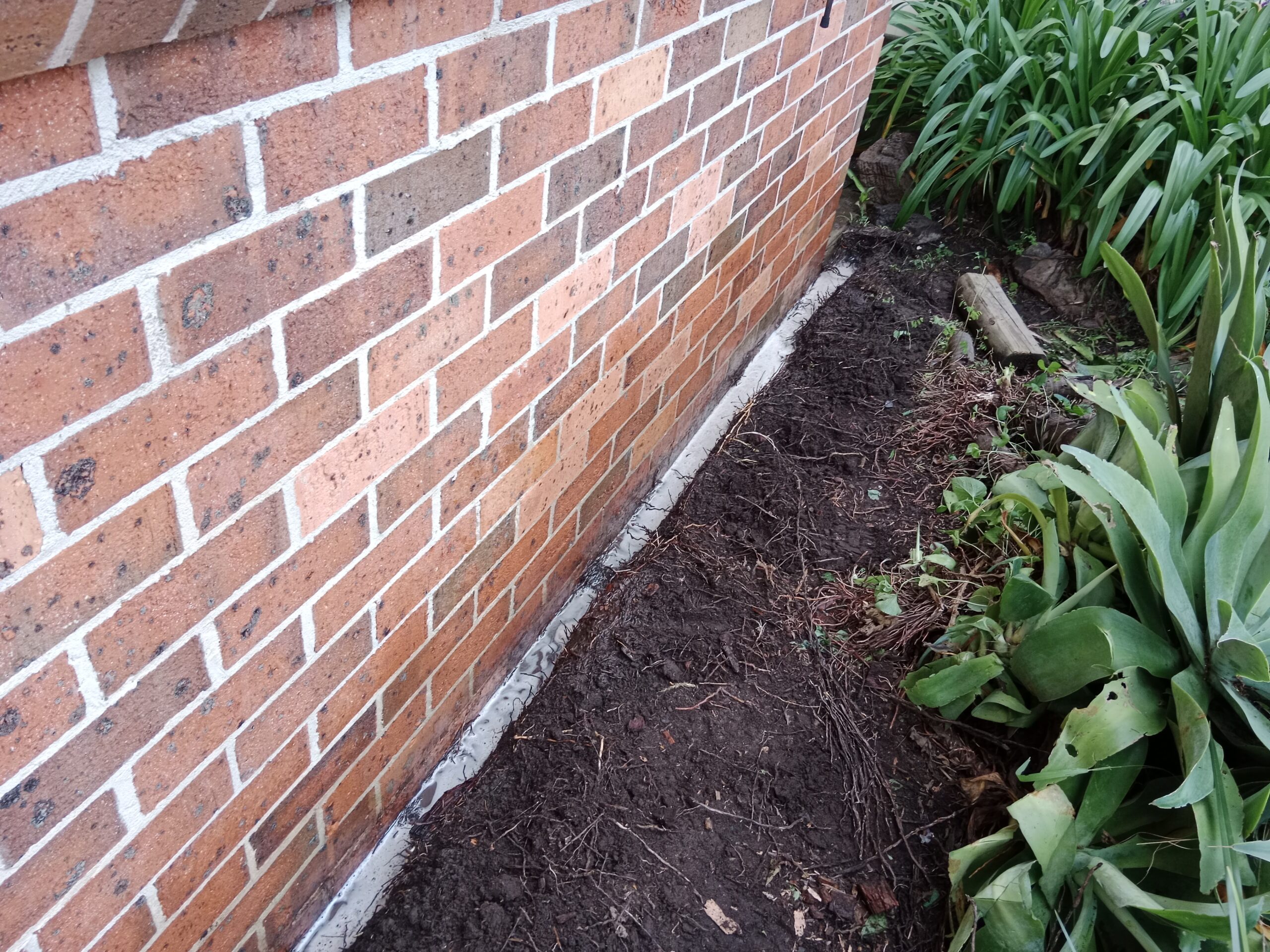
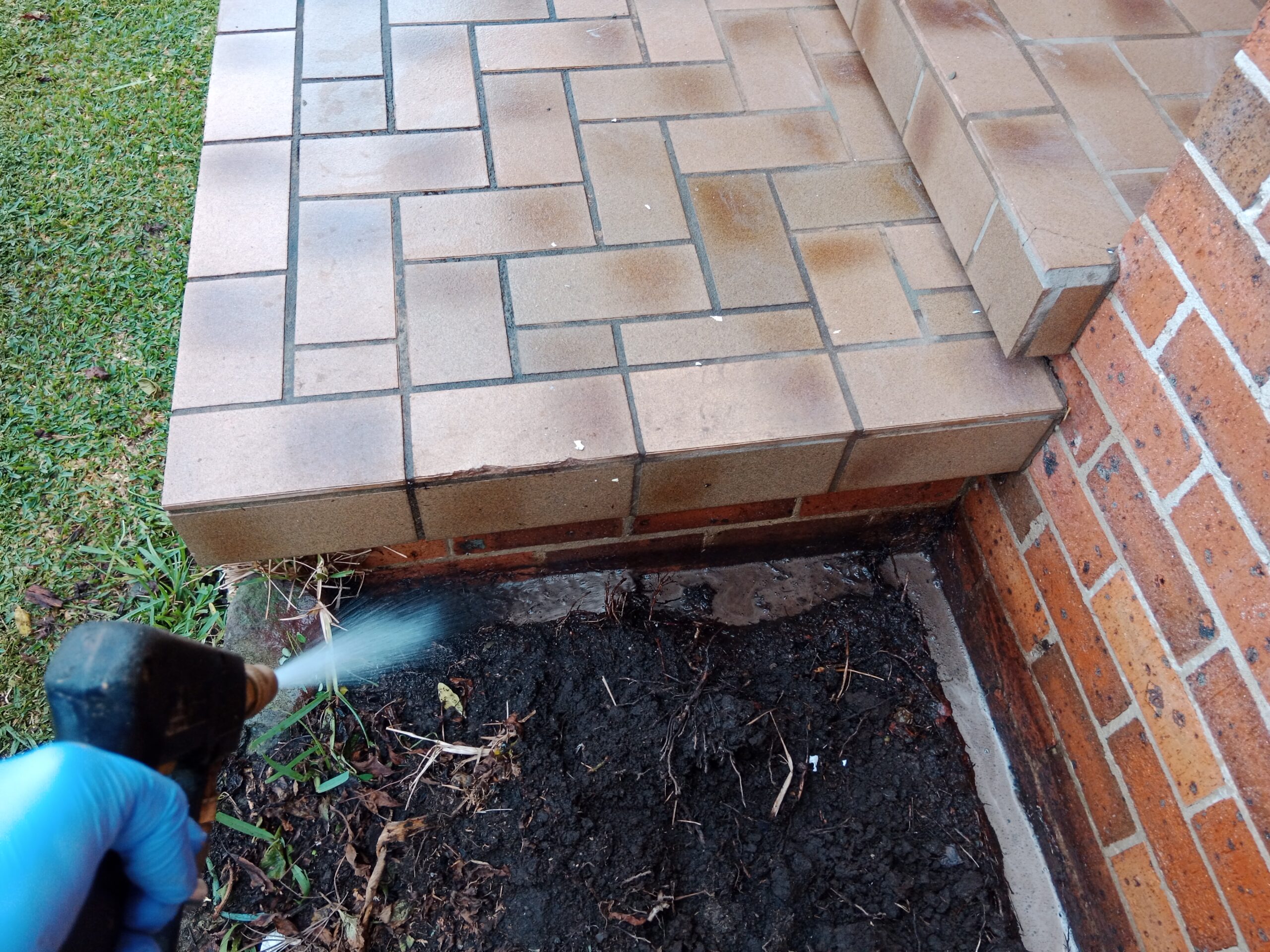
These recent on site images show the kind of termite related work carried out on Blue Mountains properties.
How to reduce termite risk between inspections
Between professional inspections, small property changes can reduce the chance of hidden access. Keep stored timber and garden mulch away from the house where possible, fix leaking taps or drainage issues, improve airflow in damp subfloor areas, and avoid allowing soil or landscaping to bridge weep holes or inspection zones.
Hidden activity often follows moisture and concealed entry. Simple maintenance steps can make warning signs easier to spot and make the next inspection more useful.
Where termite activity is often found around Blue Mountains homes
Local termite issues are often discovered in places that stay damp, concealed, or hard to inspect. Common problem areas include subfloors, timber retaining walls, fence lines, garden edges, old stumps, stored timber, and areas where plumbing moisture or drainage issues keep materials wet for long periods.
- Subfloor timbers and damp under-house areas
- Retaining walls, sleepers, and garden edges close to the home
- Fence posts, timber landscaping, and stored firewood
- Skirting boards, door frames, and wall linings near hidden entry points
- Moisture affected areas around bathrooms, laundries, or leaking pipes
If you have noticed activity in any of these areas, it should be checked properly before the damage spreads further.
Do you need an inspection or termite treatment?
If you have only found warning signs, the right first step is usually a termite inspection so the problem can be confirmed properly. If termite activity has already been identified, the next step may be termite treatment, termite control, or a broader management plan depending on the property, access, moisture issues, and how active the infestation looks.
That is why this page should not just warn about damage. It should also help property owners understand the next practical move. Some homes need a careful inspection first, some need urgent treatment, and some need both treatment and ongoing monitoring to reduce the chance of future problems.
Frequently asked questions about termite issues in the Blue Mountains
Do termites always leave visible damage?
No. Termites can stay hidden inside timber, walls, or subfloor areas before obvious damage shows on the surface.
Should I organise an inspection even if I am not sure?
Yes. If the signs point to possible termite activity, an inspection is the safest way to confirm what is happening and what should happen next.
Can brick homes in the Blue Mountains still have termite damage?
Yes. Even when the outside of a home is brick, termite activity can still enter through concealed points and attack internal timbers, roof framing, skirting boards, architraves, and other structural elements.
What should I avoid doing if I find termites?
Do not spray, break open, or heavily disturb the area. The colony can retreat from the visible point and keep working elsewhere, which makes the real activity harder to trace during an inspection.
Can I read more about checking for termites?
Yes. NSW guidance on checking for termites is a useful reference.
Book local termite help
If you are worried about termites in the Blue Mountains, contact us for clear advice, practical next steps, and local help from someone who understands the area and the kinds of homes found here.
Call 0400 822 800 or request a callback here.